

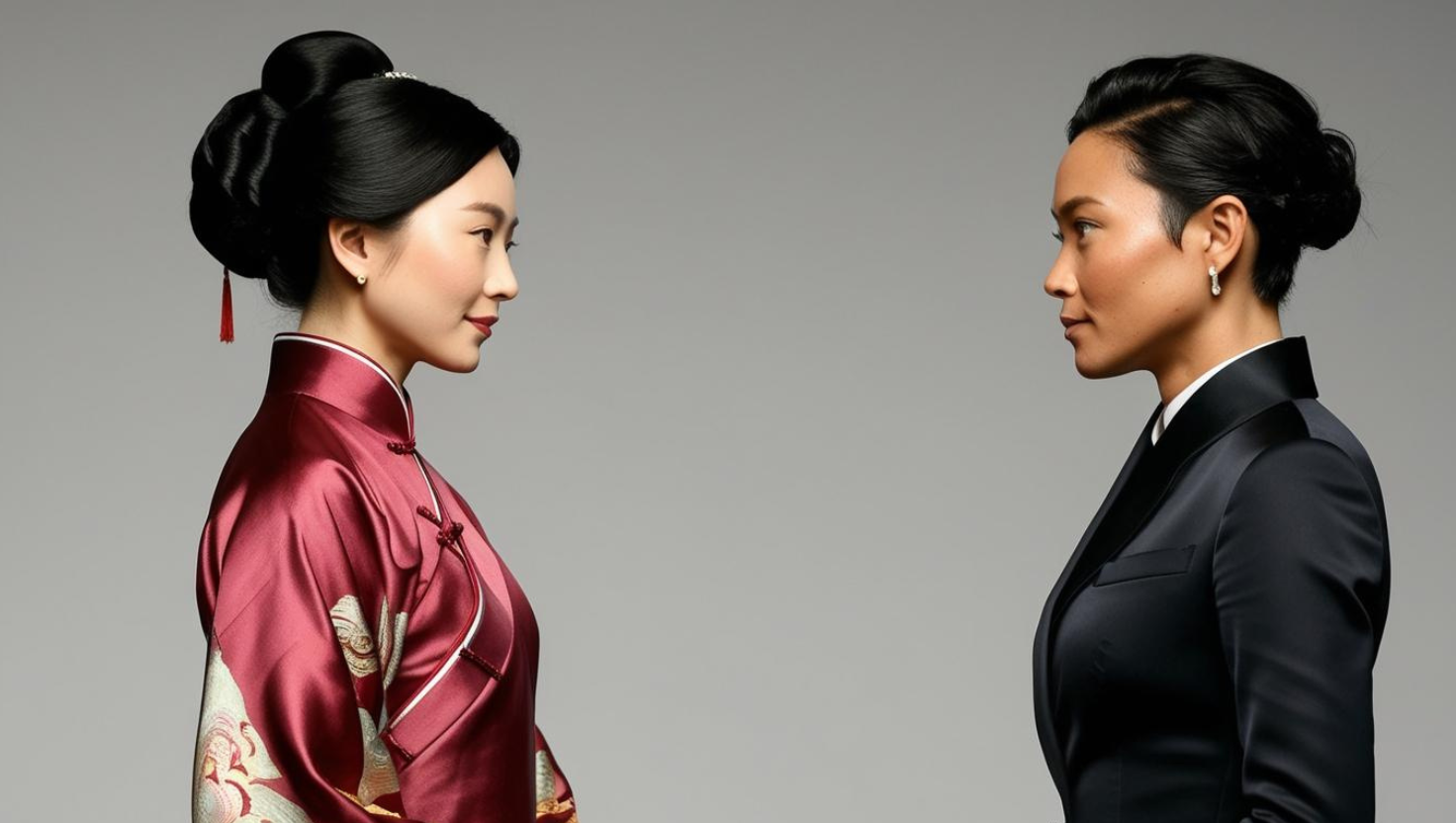
Ever noticed how two cultures, oceans apart, can express the same truth in strikingly different ways? Let’s compare two proverbs:
🔹 The English saying “Beauty is in the eye of the beholder” emphasizes subjectivity—beauty isn’t universal but deeply personal.
🔹 The Chinese proverb “情人眼里出西施” translates to “In a lover’s eyes, Xi Shi appears.” (Xi Shi was a legendary beauty in ancient China.) This phrase ties beauty to romantic love—flaws fade, and the beloved becomes as radiant as a historical icon.
✨ Different Nuances, Same Sentiment
One is broad and philosophical, the other romantic and culturally expressive. Yet, both reflect the idea that perception shapes reality—it can elevate the ordinary, empower the imperfect, and redefine beauty itself. In a world obsessed with ideals, these proverbs serve as gentle rebellions, celebrating individuality and emotional connection over conformity.
This is where culturally savvy transcreation makes all the difference. It goes beyond literal translation to capture the artistic and emotional depth of language. Mastering intent, context, and cultural nuances isn’t just about words—it’s about truly speaking to your audience’s soul.
#CulturalIntelligence #Transcreation #CrossCulturalCommunication #Translation #Marketing #Localization #Copywriting
P.S. The use of “Xi Shi” is —a rhetorical device where a well-known figure or object represents a broader concept. Instead of simply saying “beautiful,” it paints a richer, more poetic picture. Think “suits” for executives or “turf” for territory. 😊